


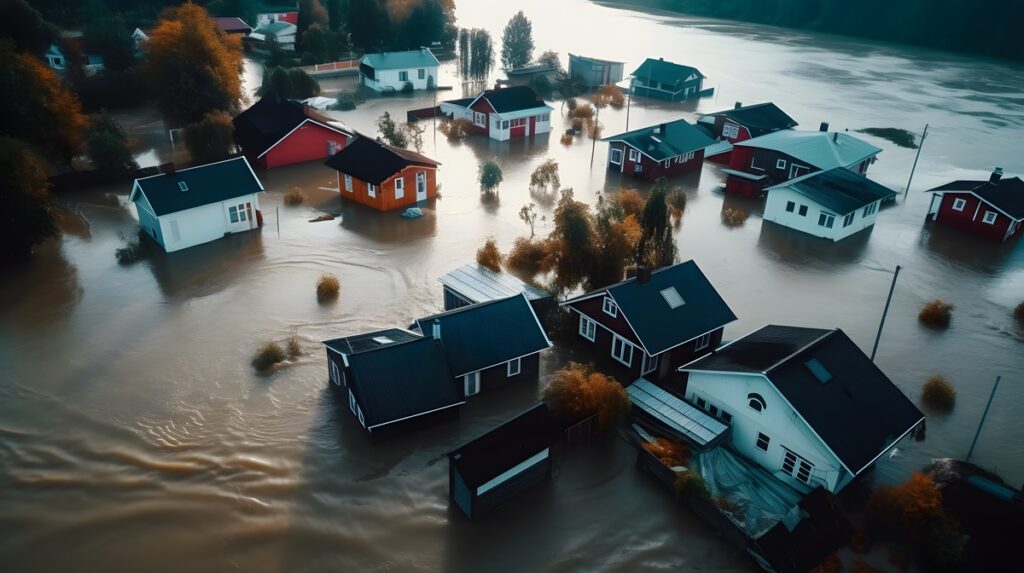
The U.S. housing crisis is increasingly forcing people to make a difficult choice: stay in places that are safer but unaffordable, or move to areas that cost less but come with higher risks from floods, fires, and storms.
Recent migration and housing data show how stark that tradeoff has become, according to The Conversation.
California is a clear example. In 2024, it lost more residents than any other state. High housing costs are a major reason. Home prices in California are more than double the national average, and the income needed to buy a typical home is far out of reach for most households. As a result, many residents are leaving in search of places where housing costs less.
States like Texas and Florida have become major destinations. Texas alone gained tens of thousands of new residents in 2024, many coming from California. While lower taxes play a role, affordability is the bigger driver. For families priced out of expensive coastal markets, moving often feels like the only option.
Higher Climate-Related Risks
These more affordable destinations, however, often come with higher climate risks. Many fast-growing areas face greater exposure to wildfires, hurricanes, flooding, or extreme heat. Research shows that people are increasingly moving into counties with higher wildfire risk, even when other factors are taken into account. For many households, lower housing costs outweigh long-term safety concerns.
Insurance trends highlight the danger. In several high-risk states, insurers have pulled back or raised prices sharply after years of costly disaster claims. Millions of homeowners have lost coverage in recent years, making it harder and more expensive to protect property. When disasters hit, lower-income residents, renters, and communities of color often face the biggest hurdles to recovery.
This situation is less about personal choice and more about policy. States like California are not building enough housing to meet demand, especially in safer, job-rich areas. When new development is limited, prices rise, and working families are pushed elsewhere, often into more vulnerable locations.
The result is a system where income increasingly determines exposure to climate risk. Until housing supply expands in safer areas and vulnerable communities receive better protection, climate change and housing costs will continue to shape who can live where, and who bears the greatest risk when disasters strike.