


A new study from CalMatters revealed that there are an estimated 40,000 affordable housing units are available for construction in California. However, holding them up is one setback experts mentioned may affect construction.
The proposed apartment complex on Modesto’s East Morris Avenue is precisely the kind of development that California’s political leaders would want to see many more of, with half of the 44 affordable housing units promised by the project would be set aside for homeless individuals. It is located next to a busy bus line, has won zoning permission, has withstood public criticism, and has gained the backing of local government figures. The initiative offers Zumba classes, job training, and on-site mental health treatments once it is constructed.
However, money is what the initiative lacks. It has pieced together a financial patchwork of corporate and local government grants, private debt, and a foundation-donated parcel of land, but it is still short of the sum required to start construction. The Morris Village project is ready, but it has been waiting for six years and thirteen funding applications since it was first suggested.
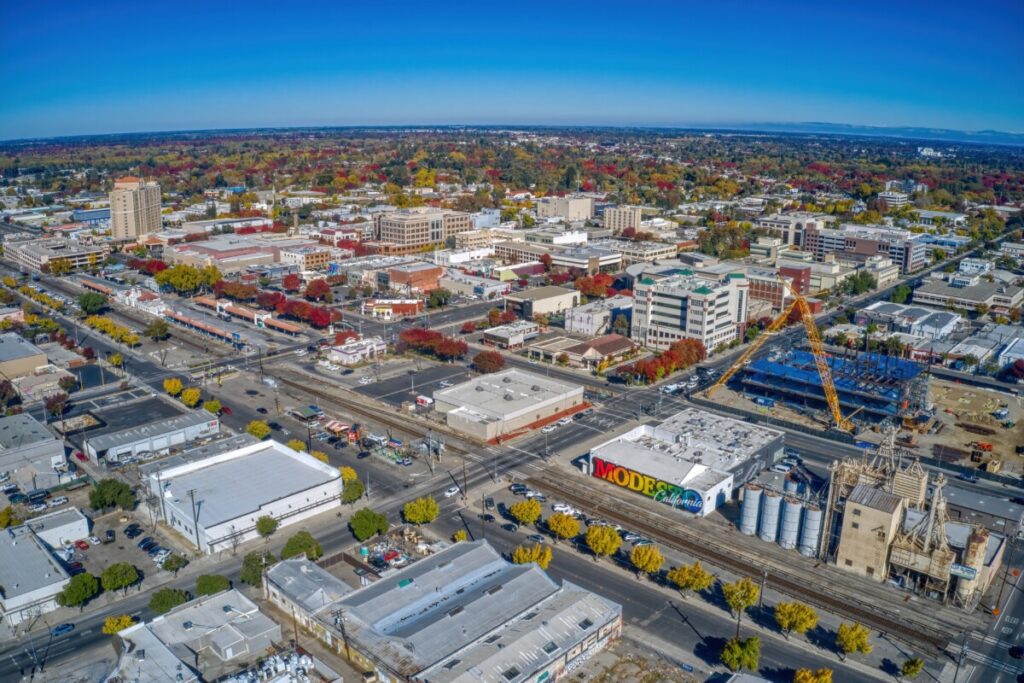
Affordable Housing Units Giving Americans More Options
According to a recent assessment by Enterprise Community Partners, a national nonprofit that supports, advises, and promotes affordable housing, an estimated 39,880 affordable units in California are locked in financial purgatory. That amounts to 461 “shovel-ready developments,” such as the one on East Morris, that are completely planned, approved by the law, and supported by a sizable but still insufficient sum of money.
Many have “been sitting for a year or two waiting for funding,” said Justine Marcus, Policy Director for Enterprise’s Northern California office and one of the report’s co-authors. “There’s no exit route right now. It’s a bottleneck.”
That delay is a particularly annoying unusual occurrence of California public policy for many developers and proponents of affordable housing. Lawmakers want the state to develop additional homes of all kinds, but particularly for those who can’t afford the state’s outrageous rents. By the end of the decade, local governments are required by state housing regulators to plan for the construction of an additional 2.5 million units. Those earning less than 80% of the median income in each region are expected to get one million of those.
Enterprise used three years’ worth of publicly accessible but difficult-to-read applicant lists from seven subsidy programs run by different branches of the California state government. The analysis forecasts that an additional $4.1 billion, divided between state-administered grants, low-cost loans, and tax write-offs, would be needed to clear the present backlog using a combination of mathematical calculations and some deduction.
This last layer of state subsidies must be spent quickly after it is granted. According to Marcus, this list of 39,880 units is a collection of nearly finished affordable housing developments. “They need to sort of have their (stuff) together,” she said.
For example, at least one other state program has already provided financing for two-thirds of the initiatives on the list. According to Betsy McGovern-Garcia, vice president of Self-Help Enterprises, one of the two non-profits behind Morris Village, those funds aren’t given to just any developer.
“These are all projects that are close to amenities,” she said. “These are all projects providing resident services. These are all projects that are financially feasible…They are all meeting the bar for what we want to see as a state out of our affordable housing community.”
McGovern-Garcia and her associates submitted an application to the state in February for a last round of funding “to close the gap” and begin construction.
“We are optimistic this might be our round,” she said in an interview.
State Funding for Builders Makes a Change
Although the exact site of the traffic bottleneck has shifted over time, California has previously experienced standstill in the development of affordable housing.
In 2018, a bond authorized by voters provided California with its most recent significant influx of public funds for affordable housing. The well is empty. There are still a variety of funding sources.
According to California’s Housing and Community Development department, at least $1.8 billion should be available for affordable developer applications this year when cash that has already been approved by lawmakers but hasn’t yet been spent is combined with various additional state and federal sources. There are no additional discretionary expenditures in Gov. Gavin Newsom’s proposed budget for the upcoming fiscal year.
Supporters of further investment have cause for optimism. The Legislature was able to effectively reintroduce hundreds of millions of dollars in affordable housing subsidies into the final budget accord despite Newsom’s previous austere stance during early budget negotiations. A record-breaking $10 billion affordable housing bond is also being considered by California lawmakers for the 2026 ballot. Merriman stated that “we’d be off to the races” if the majority of people support it.
As the study shows, increasing funding is one approach to build more affordable housing. The other is attempting to reduce expenses in order to maximize the current funds. In California, building affordable housing is infamously expensive: According to a 2025 study, the cost of tax credit-financed projects in this area is two to four times more than that of similar projects in Texas and Colorado. This discrepancy has multiple causes. California has much higher land prices. The cost of labor is frequently the same. Regulatory obstacles including stringent impact fees, sluggish permitting, and restrictive zoning are often blamed. Older building techniques and materials are occasionally held accountable.
In California, an affordable development typically uses two or three public funding sources, while some may use up to six. Numerous sources receive awards according to their own schedules. It may take some time to fulfill each program’s unique criteria. Some require the receipt of another. Developers continue to have to pay pre-construction loan interest, provide wages, and watch as inflation raises construction costs over time. Funding sources that have previously been obtained may expire as delays mount, significantly delaying the process.
According to research by the Terner Center for Housing Innovation at UC Berkeley, each additional funding source adds $20,460 per unit and delays the start of construction on a project by an average of four months. In an attempt to expedite the process, the Newsom administration is now making changes to California’s affordable housing finance system.