


According to a new analysis released by Neighbors Bank, property taxes and homeowners insurance are increasingly contributing to monthly housing expenditures in the United States.
Property taxes and insurance make up an average of 21% of monthly mortgage payments, subtly adding hundreds or even thousands of dollars to a homeowner’s monthly bill, even though home prices and mortgage rates frequently dominate conversations about affordability.
In order to determine the average monthly payment on a 30-year fixed-rate mortgage at a 6.59% interest rate, the study, The ‘Hidden’ Costs Causing Monthly Housing Payments To Rise, looked at roughly 450 U.S. metropolitan areas utilizing recent home prices, property tax data, and homeowners insurance premiums.
“It’s important to look beyond the sticker price and understand how taxes and insurance will shape your monthly payment,” said Jake Vehige, President of Mortgage Lending at Neighbors Bank. “They’re recurring costs that need to be planned for from day one. Homebuyers who don’t account for them upfront can be caught off guard when their monthly payment is higher than expected or rises over time, and these costs can become burdensome for any homeowner as they increase.”
Top 10 Highest-Burden Markets:
| Rank | Metro | T&I share of average monthly housing payment* | Average monthly P&I* | Average monthly T&I* | Total average monthly payment (PITI)* |
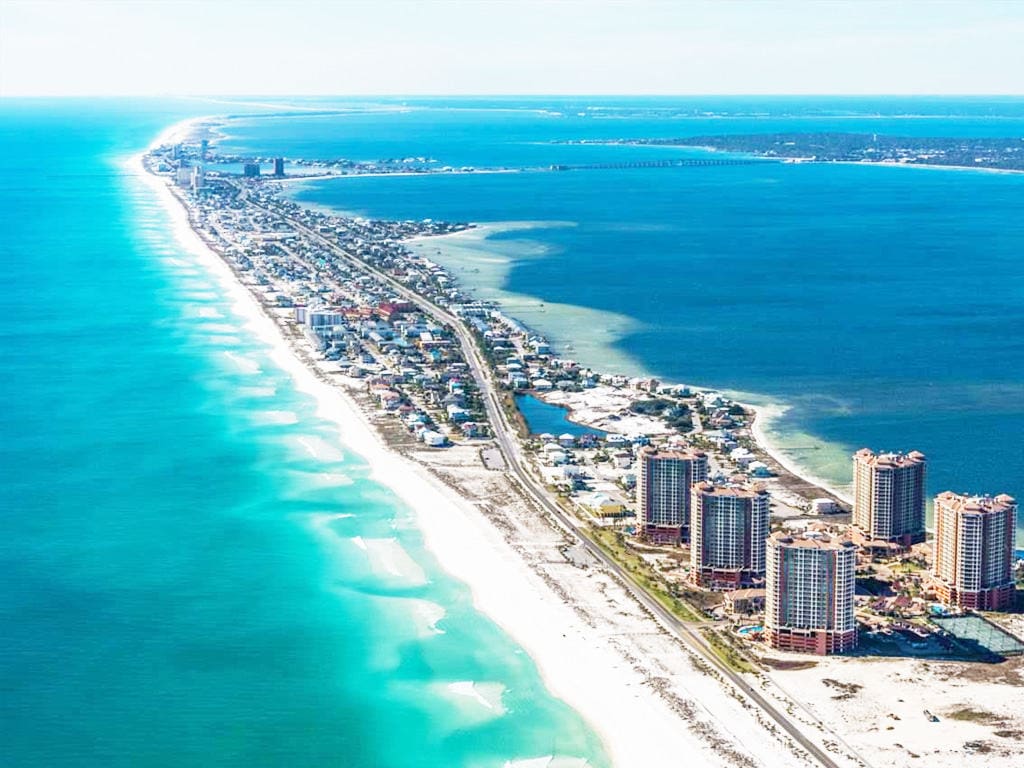
| 1 | Pensacola-Ferry Pass-Brent, FL | 43.6 % | $1,531 | $1,183 | $2,714 |
| 2 | Decatur, IL | 37.4 % | $598 | $357 | $955 |
| 3 | Massena-Ogdensburg, NY | 36.5 % | $690 | $397 | $1,088 |
| 4 | Peoria, IL | 35.7 % | $823 | $458 | $1,281 |
| 5 | Wichita Falls, Texas | 34.9 % | $863 | $462 | $1,324 |
| 6 | Elmira, NY | 34.3 % | $760 | $398 | $1,157 |
| 7 | Miami-Fort Lauderdale-West Palm Beach, FL | 34.3 % | $2,383 | $1,244 | $3,627 |
| 8 | Corning, NY | 34.0 % | $818 | $421 | $1,239 |
| 9 | Rockford, IL | 33.9 % | $1,048 | $537 | $1,585 |
| 10 | Pine Bluff, AR | 33.9 % | $494 | $253 | $747 |
Note: *T&I = Taxes and Insurance. P&I = Principal and Interest. PITI = Principal, Interest, Taxes and Insurance.
Property Taxes & Home Insurance Hitting Homeowners Hard
Non-mortgage expenses can take up over one-third of a homeowner’s monthly payment in the most expensive property tax and insurance areas, leaving less money for loan repayment.
These highest-burden metro areas are disproportionately found in Illinois and Florida, though for different causes. Even in areas with moderate home prices, high property tax rates raise monthly payments in Illinois metro areas such as Decatur, Peoria, and Rockford. Rising homeowners insurance premiums brought on by hurricane and flood risk result in exorbitant rates in Florida urban areas like Pensacola and Miami.
“Many homeowners assume their payment will stay the same each year, but even if your mortgage rate doesn’t change, taxes and insurance often do,” Vehige said. “While you can’t control rising costs, reviewing your escrow statement for shortfalls, shopping for insurance annually and understanding how to appeal your property taxes can help prevent surprises and keep your budget on track.”
Low down payment loans such as FHA, USDA, or VA programs, which usually need escrow accounts to bundle taxes and insurance into the monthly mortgage payment rather than paying them annually, are more likely to be used by first-time purchasers. This indicates that a set monthly payment is not guaranteed by a fixed-rate mortgage. Borrowers also may need to make up any shortfalls from previous years, and annual escrow reviews modify payments if taxes or insurance rates increase.
These rankings demonstrate that home prices are not the only factor in housing affordability. Rather, it concerns the monthly payment schedule and the percentage of a budget allocated to uncontrollable post-closing expenses, Neighbors Bank noted.
Even when property prices seem reasonable, taxes and insurance can put a strain on affordability in high-burden metropolitan areas. These similar expenses could be less significant in lower-burden urban areas, but greater principle and interest can still result in significant monthly expenses.
These constraints are exacerbated for many buyers when homeowner association (HOA) dues and private mortgage insurance (PMI) are taken into account. PMI, which can add hundreds of dollars each month until they accumulate enough equity, is usually paid by borrowers who put down less than 20%. Homeowners association (HOA) dues, which differ greatly by market and are frequently necessary regardless of mortgage size, are another common expense for buyers of condos and townhomes.
PMI and HOA fees can significantly raise overall housing expenses in regions where taxes and insurance already account for a sizable portion of the mortgage payment but are not included in the analysis.
To read the full report, click here.