

According to a new LendingTree study, one of the most important places Americans are feeling the effects of climate change is their homes.
American’s perspectives on homeownership and where they choose to live are changing due to growing concerns about extreme weather and rising insurance prices. In fact, according to the latest LendingTree poll of U.S. consumers, some 30% of homeowners have chosen not to purchase or make an offer on a home because of worries about climate hazards and risks.
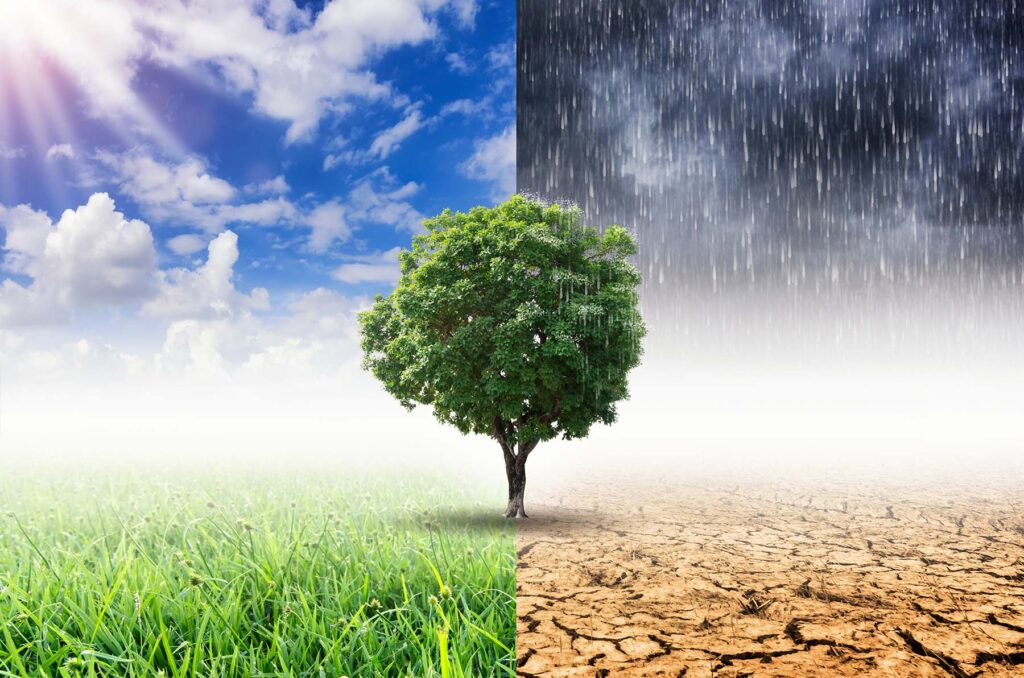
Concern over the potential effects of climate change on their homes is growing among Americans. Within the next ten years, nearly seven out of 10 (68%) homeowners are concerned that climate-related risks could affect their property.
However, the study showed that this worry goes beyond potential hazards. Of all Americans, an estimated 72% believe that over the next 10 years, climate-related concerns will get worse, and roughly 60% think that the risks of extreme weather are already rising in places where they would choose to live.
Climate Factors Affecting Consumer Concerns
Power outages due to severe weather (40%), winter storms and extreme cold (36%), and severe storms (34%) are among the most urgent issues cited by U.S. consumers. Following those events comes:
- Extreme heat (32%)
- Flooding (23%)
- Poor air quality or smoke (22%)
- Drought/water scarcity (19%)
- Hurricane and tropical storm (19%)
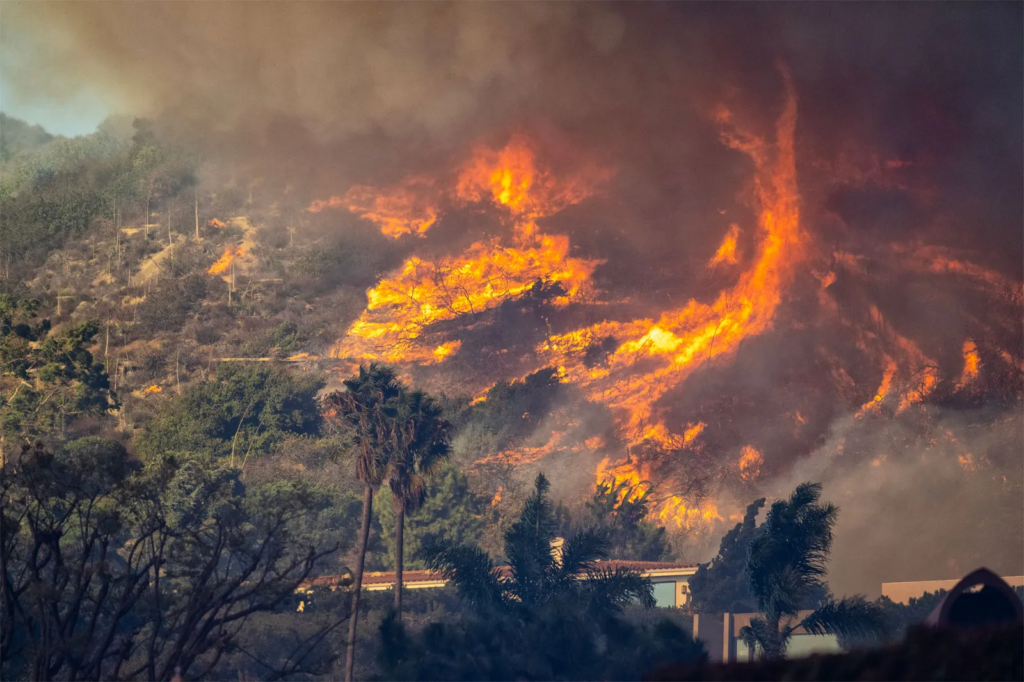
- Wildfire (16%)
- Coastal flooding and sea level rise (11%)
- Earthquake (9%)
- Landslide (5%)
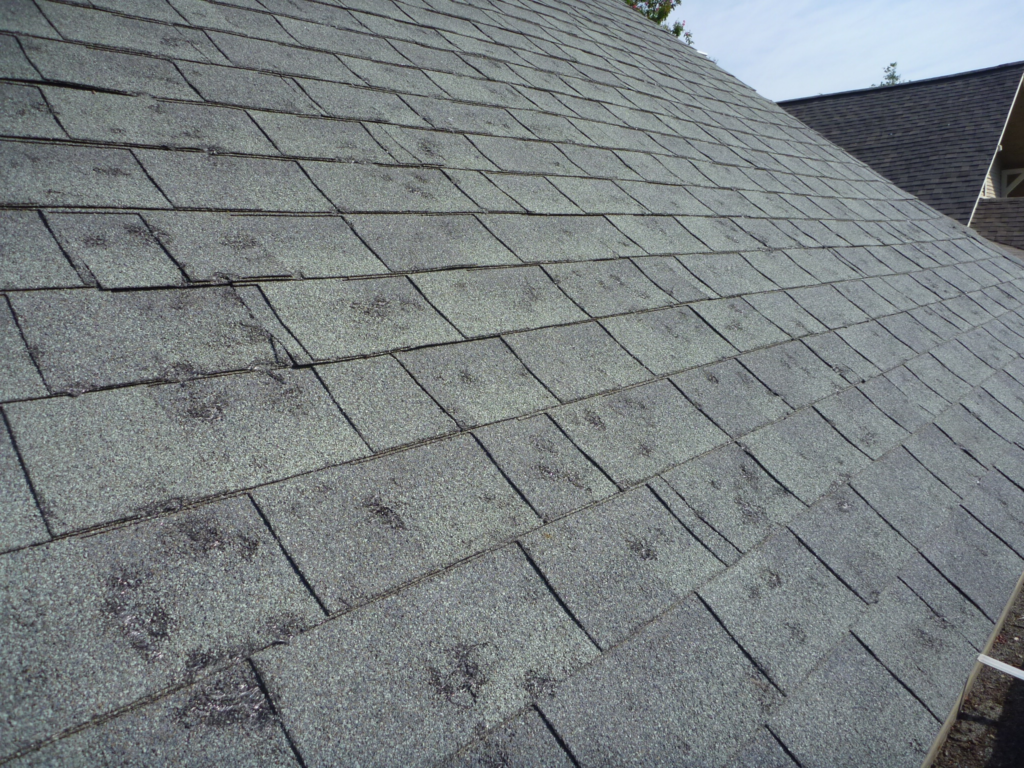
“More than 40% of claims payments are for wind and hail damage, making them the most significant drivers of loss for homeowners,” said Rob Bhatt, a LendingTree home insurance expert and licensed insurance agent.
These worries are also supported by research and data, as the Insurance Information Institute reported that wind and hail are the most common reasons for house insurance claims.
However, it is necessary to remember that regular homeowners insurance does not cover every risk associated with climate change, according to the industry expert.
“Homeowners insurance doesn’t cover floods,” Bhatt said. “That means many Americans may need separate policies to fully protect against certain climate-related hazards, like wind and hail coverage.”
Approximately 88% of Americans have experienced a climate-related hazard in the last five years, according to LendingTree. Severe weather-related power outages (41%), winter storms (32%), severe storms (31%), and extreme heat (30%) are the most frequent occurrences.
These encounters cover a broad spectrum of life circumstances. While 21% of respondents live in apartments, the majority (61%) reside in single-family houses. Geographically, some 45% of them live in suburban areas, 32% in urban areas, and 23% in rural communities, indicating that the effects of climate change are felt in all types of housing and geographical areas. Of those impacted, an estimated 27% claim that these incidents caused damage, and 18% say they had to make repairs as a result.
According to Bhatt, policyholders frequently struggle with submitting insurance claims for repairs and damage, especially those without a home inventory.
“It may seem daunting, but all you have to do is turn on your smartphone camera and walk through your home taking pictures or video of your belongings, including serial numbers and model numbers,” Bhatt said. “You can then list your items on a spreadsheet, along with their approximate value.”
Climate Risks Affecting U.S. Homebuying Activity
Where Americans choose to reside is becoming more and more influenced by climate hazards, particularly for younger generations. In general, some 30% of homeowners claim that worries about the potential of hazards have prevented them from making an offer or purchasing a property. With 62% of Gen Zers (ages 18 to 29) and 46% of millennials (ages 30 to 45) stating that they have turned down a house for this reason, that percentage rises dramatically among younger buyers.
Relocation decisions are also being influenced by climate concerns. Because of climate risk, nearly one in five Americans (18%) are thinking about moving within the next two years, and 17% say they have already done so. Because of these hazards, Gen Zers are the most proactive; 25% are thinking about moving, and 32% have actually done so. Millennials have comparable numbers, at 26% and 25%, respectively.
Americans are demanding more openness in the home-buying process as climate hazards take center stage in housing purchases. Flood zone or flood risk ratings (73%) and previous flooding or wildfire damage (72%) are the most often requested disclosures. More factors include:
- Prior wind, hail or storm damage (66%)
- Local hazard history (66%)
- Wildfire risk rating (66%)
- Whether the property is in an evacuation zone (66%)
- Estimated insurance costs (63%)
- Insurance availability constraints (63%)
However, when looking for a home, Bhatt thinks it’s important to consider climate concerns, especially significant or evident risks.
“Interestingly, you can learn a little about a property’s past claims when you get a homeowners insurance quote for it,” he said. “Most quoting systems will flag information about recent claims at a home, as these can increase the price of insuring it, even if the claim was filed by a previous owner.”
Overall, not only is climate change concerning, but it is also driving up homeowner expenses. Even though 88% of homeowners have home insurance, some 56% of those policyholders claim that their premiums have increased in the last 12 months.
Concerns regarding future coverage are also becoming more prevalent, as 30% of respondents think their insurer may cancel their policy because of the risk of local hazards. Many Americans are reconsidering their priorities when making housing decisions as a result. In a lower-risk area, nearly one-third (32%) said they would choose a property with higher insurance prices over a less expensive one in a higher-risk area. This inclination is even more noticeable among Gen Zers (43%) and millennials (41%), as well as among those with children under the age of 18 (46%).
“The cost of homeowners insurance is going to affect your PITI payments and the amount you can borrow,” Bhatt explained. “Buying a home in an area with high insurance costs means you may have to choose a lower-priced home. Buying in an area with lower insurance costs may help you afford a higher-priced home.”
In any case, according to Bhatt, it’s crucial to account for insurance prices in your total cost of purchasing and owning a home. Home insurance used to be an afterthought, but according to Bhatt, the cost of insurance has increased to the point where it is now essential to consider it in advance.
To read the more, click here.