

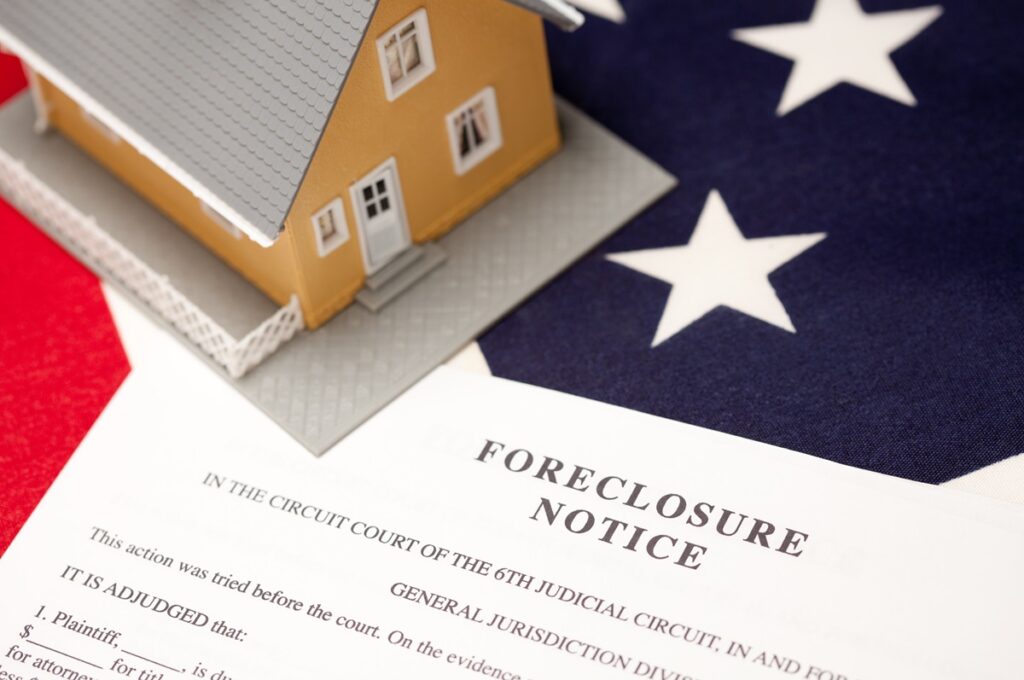
According to ATTOM’s April 2026 U.S. Foreclosure Market Report, there were approximately 42,430 U.S. homes with foreclosure filings—default notices, scheduled auctions, or bank repossessions—down an estimated 8% from the previous month and up 18% from the previous year.
“Foreclosure activity continued its gradual trend higher in April, with both foreclosure starts and completed foreclosures posting annual gains,” said Rob Barber, CEO at ATTOM. “While overall filings declined from the previous month, the year-over-year increases suggest lenders may be working through distressed inventory as higher borrowing costs and affordability challenges impact some homeowners. Even so, foreclosure activity remains significantly below pre-pandemic levels.”
Key Findings from the April 2026 U.S. Foreclosure Market Report:
- There are 42,430 U.S. properties with a foreclosure filing, which is up approximately 18% from a year ago but down 8% from March—continuing a year-long trend of annual rises in foreclosure activity.
- Completed foreclosures (REOs) jumped 42% annually to 5,098.
- Foreclosure starts increased 12% annually to 28,414.
- Foreclosure activity is still much lower than it was before the pandemic, despite yearly rises in foreclosure filings.
Nationwide, in April 2026, one out of every 3,388 dwelling units had a foreclosure filing. With one foreclosure filing for every 1,739 housing units, Delaware has the highest foreclosure rate in the U.S. South Carolina trailed closely behind (one in every 1,745 housing units), followed by Florida (one in every 2,092 housing units), Indiana (one in every 2,129 housing units), and Illinois (one in every 2,262 housing units).
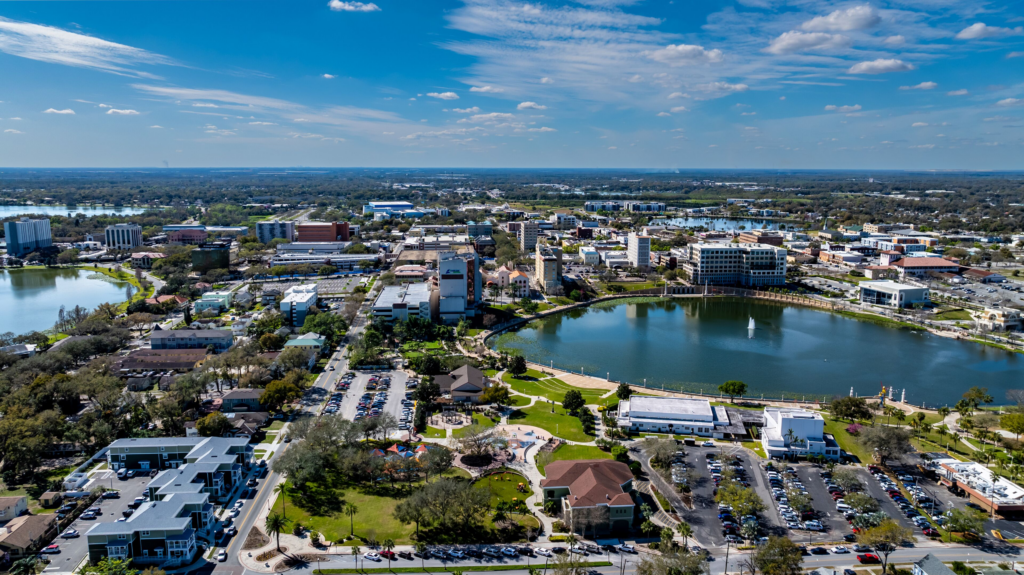
Lakeland, FL, had the highest foreclosure rate among metro areas with 500,000 or more residents in April 2026, with one filing for every 1,221 housing units. Columbia, SC (one in every 1,287), Charleston, SC (one in every 1,483), Bakersfield, CA (one in every 1,566), and Cape Coral, FL (one in every 1,628 housing units) followed after the Lakeland metro.
Which States Lead in Foreclosure Starts?
The study showed that U.S. lenders began foreclosing on 28,414 U.S. properties in April 2026, an estimated decrease of 6% from the previous month but an increase of 12% from the previous year.
States with the highest number of foreclosure starts in April 2026 were:
- Florida (3,505 foreclosure starts)
- Texas (3,154 foreclosure starts)
- California (2,786 foreclosure starts)
- Georgia (1,407 foreclosure starts)
- Illinois (1,366 foreclosure starts)
The following major metropolitan areas had the biggest year-over-year (YoY) increases in foreclosure starts in April 2026 among those with a population of at least 500,000 and at least 100 foreclosure starts:
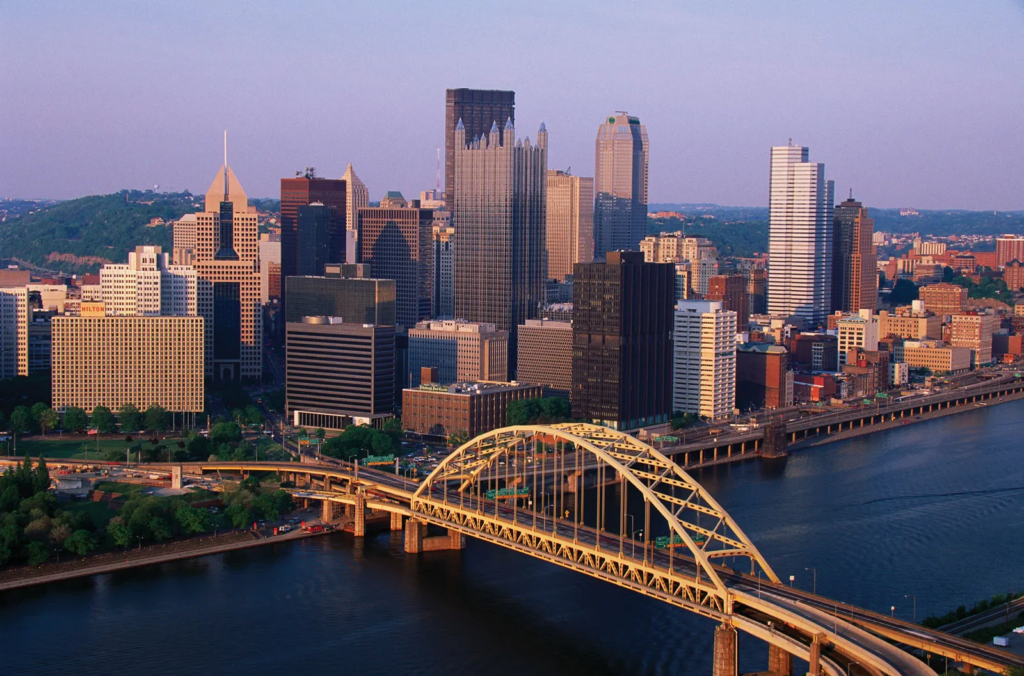
- Pittsburgh (increase from 82 foreclosure starts in April 2025 to 215 in April 2026)
- Austin, Texas (increase from 158 to 396 foreclosure starts)
- Raleigh, NC (increase from 68 to 146 foreclosure starts)
- Lakeland, FL (increase from 99 to 199 foreclosure starts)
- Akron, Ohio (increase from 60 to 117 foreclosure starts)
Additionally, lenders seized an estimated 5,098 U.S. houses through completed foreclosures (REOs) in April 2026, down 3% from the previous month but up 42% from a year prior, despite the fact that completed foreclosures are still increasing yearly.
States with the highest number of REOs in April 2026 were:
- Texas (640 REOs)
- California (515 REOs)
- Florida (381 REOs)
- Pennsylvania (346 REOs)
- Illinois (340 REOs)
The following major metropolitan statistical regions (MSAs) with a population of more than 200,000 and at least 10 REOs experienced the largest annual reduction in the number of REOs in April 2026, in contrast to the national trend:
- Atlanta (decrease from 213 REO’s in April 2025 to 52 in April 2026)
- Kansas City, MO (decrease from 30 to 10 REO’s)
- Flint, MI (decrease from 24 to 11 REO’s)
- Macon, GA (decrease from 26 to 14 REO’s)
- Cleveland (decrease from 38 to 24 REO’s)
To read the full report, click here.