

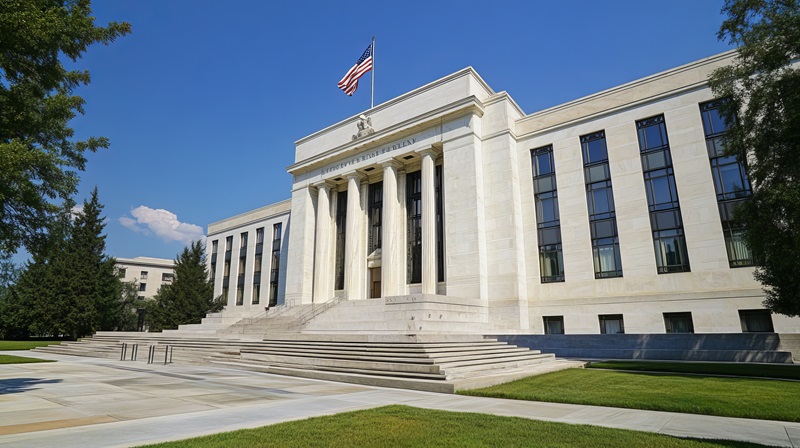
Just days after the Trump administration hinted that it wanted major changes in the process to reappoint regional Fed bank presidents, The Federal Reserve System board decided to bring them all back, NBC News reported.
The move comes after Treasury Secretary Scott Bessent said Dec. 3 that he planned to propose a new rule related to appointing regional Fed presidents.
“I am going to start advocating, going forward, not retroactively, that regional Fed presidents must have lived in their district for at least three years,” Bessent said at a recent conference hosted by The New York Times‘ DealBook.
At the conference, Bessent suggested that Fed Chairman Jerome Powell and the board had the authority to say, effectively, that “unless someone has lived in the district for three years, we’re going to veto them.”
Regional Presidents Wield Plenty of Influence
Bessent told the conference attendees that he had not formally suggested the new rule but that the Fed could do it itself.
The Fed’s regional bank presidents in its 12 districts across the nation wield almost as much influence over interest rates as the seven permanent, Senate-confirmed Fed governors do.
NBC News said that Stephen Miran, who is on temporary leave from the White House to serve as a Fed governor, joined Powell and the other governors in voting for all of the reappointments. Fed Vice Chair for Supervision Michelle Bowman and governor Christopher Waller, both appointed by Trump during his first term, also voted in favor.
The last time the Fed carried out the reappointment process in 2021, it was done in January, so last week’s announcement was earlier than expected, NBC News said. The network added that, typically, reappointments must be completed by the end of February.
The Fed said in a statement that the approvals came after “a comprehensive review by the boards of directors of the regional Reserve Banks.”
Regional presidents of Federal Reserve banks are selected by a panel of executives at nonprofit groups and businesses in districts around the United States and then approved every five years by the Fed’s board of governors.