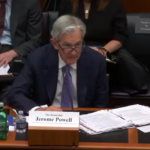

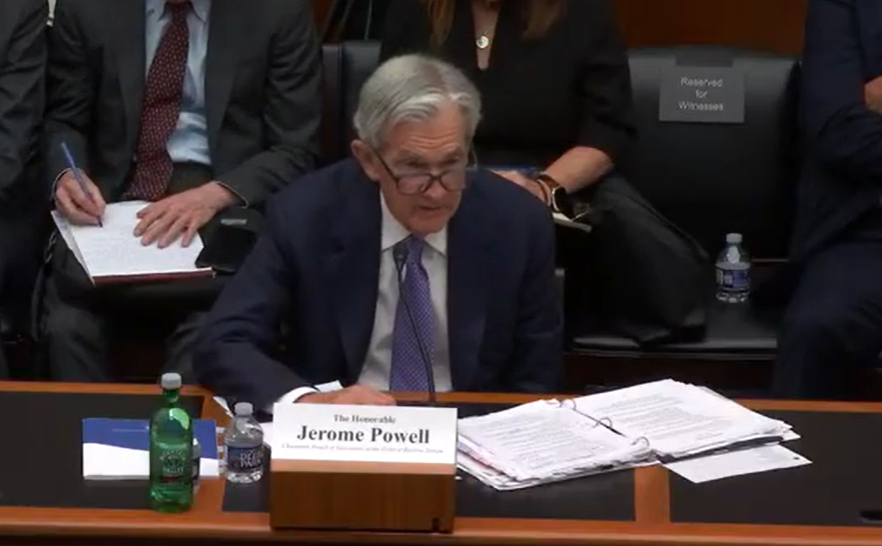
Federal Reserve Chair Jerome Powell said Monday that he sees inflation expectations as grounded despite rising energy costs and that there are no signs yet of a widespread crisis in private credit.
Powell made his remarks in a wide-ranging talk at Harvard University, CNBC reported.
“Inflation expectations do appear to be well anchored beyond the short term, but nonetheless, it’s something we will eventually maybe face the question of what to do here,” he said during a question-and-answer question with a moderator and students. “We’re not really facing it yet, because we don’t know what the economic effects will be, but we’ll certainly be mindful of that broader context when we make that decision.”
As Powell’s term leading the central bank nears an end in May, Powell avoided questions about the longer-term direction of interest rates or inclinations his designated successor has espoused, CNBC said.
Also on Monday, Fed Governor Stephen Miran continued his campaign for lower interest rates, telling CNBC that policymakers should disregard the current energy price spike unless there are signs it will have longer-lasting impacts.
“If I saw a wage-price spiral, or I saw evidence that inflation expectations are starting to pick up, then I would get worried about it,” Miran said during a “Squawk on the Street” interview. “There’s no evidence of it thus far, and you can move the monetary policy rate all you want — today tomorrow — but it’s not going to affect inflation the next couple of months.”
Miran cited market-based indicators when he said that inflation expectations remain well anchored, despite the jump in oil to more than $100 a barrel and a price shock at the pump that has pushed gasoline higher by more than $1 a gallon.
Miran has dissented at each of the meetings he has attended since September 2025. He told CNBC that he continues to think “we could be about a point easier, gradually done over the course of a year.”
Focus on Fed’s Central Goals
In the near term, Powell said the proper move for the Fed is to look past the short-term gyrations of the energy market and focus on the central bank’s goals of stable prices and low unemployment.
As he has noted in the past, Powell said he believes the current rate target, in a range between 3.5%-3.75%, is “a good place” for the Fed to sit as it observes events currently playing out such as the Iran war and the impact tariffs are having on prices.
Powell’s comments appeared to register in financial markets, with traders no longer pricing in a significant chance of a rate hike this year, CNBC reported.
Powell said raising rates now could have negative effects on the economy later and he said that Fed rate moves have a lagged impact on the economy, so tightening now wouldn’t help the inflationary impact of the Iran war.
“By the time the effects of a tightening in monetary policy take effect, the oil price shock is probably long gone, and you’re weighing on the economy at a time when it’s not appropriate. So the tendency is to look through any kind of a supply shock,” he added.
President Donald Trump has nominated former Governor Kevin Warsh as the next chair when Powell leaves the post on May 15. Warsh’s nomination is being held up in the Senate Banking Committee as U.S. Attorney Jeanine Pirro continues her investigation into renovations at the Fed’s headquarters.
Subpoenas Thrown Out
A judge threw out a subpoena Pirro’s office issued to Powell, but she has appealed the decision. While the case is being adjudicated, Sen. Thom Tillis, R-N.C., has vowed to prevent the nomination from going through.
Regarding private credit, Powell said that rising defaults, investor withdrawals, and concerns about wider issues in the $3 trillion sector.
“I’m reluctant to say anything that suggests that we’re dismissive of the risk, but we’re looking for connections to the banking system and things that might result in contagion. We don’t see those right now,” he said. “What we see is a correction going on, and certainly there’ll be people losing money and things like that. But it doesn’t seem to have the makings of a broader systemic event.”