


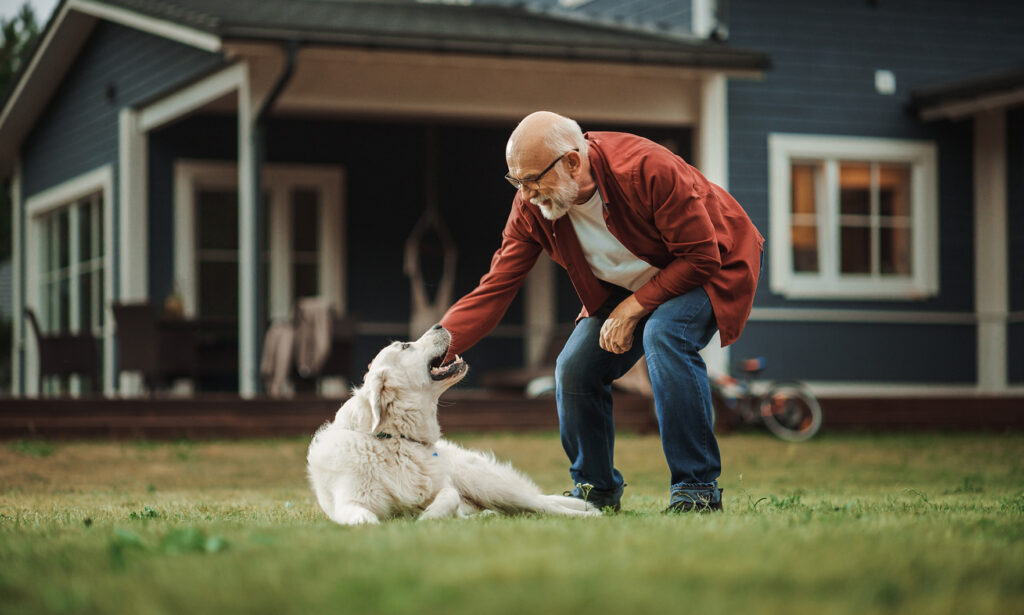
According to a recent Realtor.com poll, there are two types of main characteristics of U.S. homebuyers: those who own pets and those who do not. Further, the study showed how pet owners’ decisions to buy a property may strongly depend on how well a listing suits their four-legged friend(s)—with owners frequently prioritizing characteristics such as safe outside areas, durable interiors, and pet-friendly neighborhoods when evaluating which home to buy.
“I’ve never seen a child influence a house decision no matter what they’ve thought of it,” said U.S. broker Jeff Lichtenstein, Owner and President of Echo Fine Properties. “A pet, however, has much more influence.”
Pets were a major factor in the home search for many consumers; they were powerful enough to influence choices and even justify spending extra for the best qualities. Despite these differences, survey responses revealed a remarkably consistent description of what constitutes a truly pet-friendly home: a safe outdoor area, sturdy and easily cleaned interiors, and communities or developments where pets are explicitly permitted.
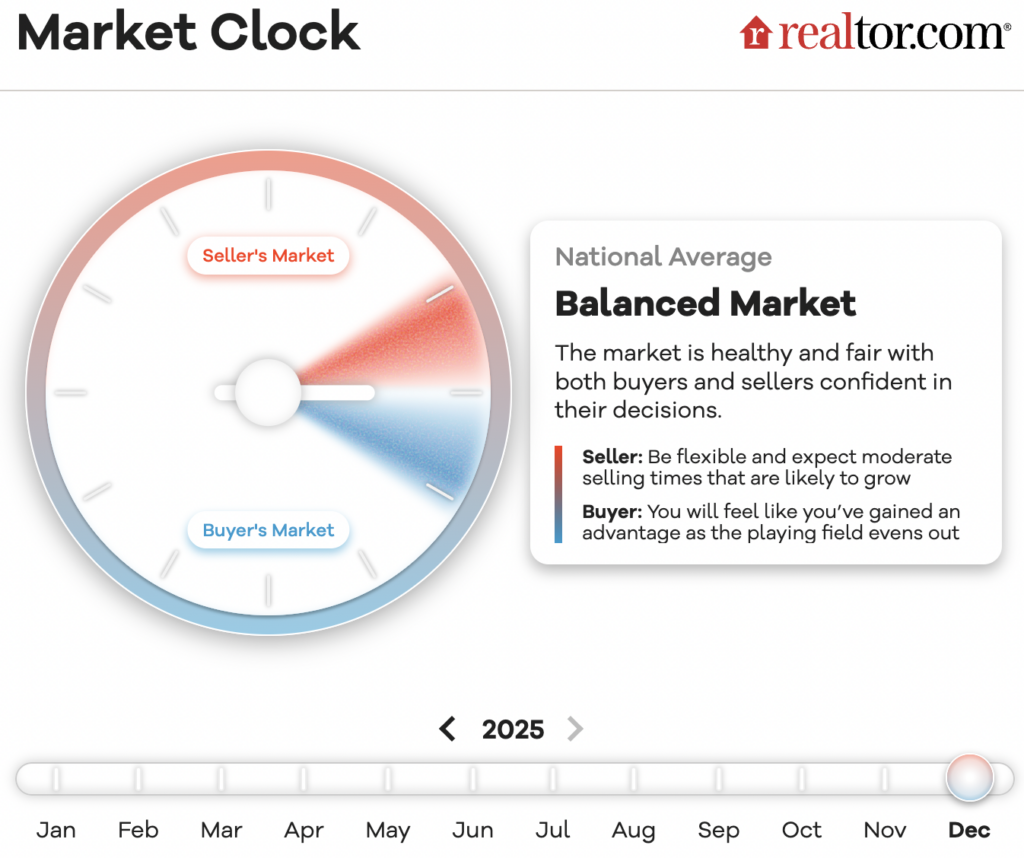
All pets aside, the nationwide housing market remained balanced at the end of 2025, with buyers and sellers at a common ground.
Note: The survey drew from a mix of first-time homebuyers, repeat buyers, and sellers across the country, with pets that included dogs, cats, birds, reptiles, fish, hamsters, and guinea pigs.
Owners Weigh Their Options with Pets in Mind
Additionally, the topic of outside space and backyard layouts were a recurring trend, particularly when it was enclosed by a fence or other structure.
“I see pet needs influence decisions all the time,” said Miltiadis Kastanis, Executive Director of Sales at Compass. “A buyer might really like a home, but if it does not feel right for their pet, whether it is the lack of outdoor space or the overall environment, they will walk away.”
Respondents also concentrated on surfaces and arrangements that might withstand normal wear and tear inside the house. Respondents sought out residences with bigger yards, floors resistant to scratches, and pet-friendly neighbors. Others pointed out finishes that were safer for animals, easier to clean, or more appropriate for older animals.
Some home purchasers had a checklist that was even more thorough, including:
- Large yards
- Fenced-in backyards
- Scratch resistant flooring
- Wall finishes that are easy to clean
- Neighbors who embrace pets
- Built-in nooks
- Mudrooms
- Bathing stations
According to their answers, pet-friendly is a specific criterion that influenced their search for a house rather than a catch-all listing term. Kastanis claims to frequently witness it, particularly in the condo market.
“Pet policies are usually the first thing we look at before even setting up a showing, since restrictions can immediately rule out a property,” he said, adding that buyers are increasingly drawn to buildings that combine pet-friendly rules with practical conveniences, especially easy access to outdoor space.
For example, communal dog runs, a resort-style dog park, and expert grooming facilities for its four-legged inhabitants were prioritized by some home builders in luxury condo markets such as Las Vegas. According to the data, some buyers are willing to spend more for those characteristics, which is a fact that brokers claim is similar to what they experience in daily home searches.
“Buyers are willing to pay more for homes that already work for their pets,” Kastanis said. “A house with a fenced yard or a layout that does not require changes can make a big difference, especially when inventory is tight and buyers want something that feels move-in ready.”
According to a National Association of Realtors (NAR) study, homeowners most appreciated renovation results related to increased livability and utility (28%) and long-lasting, durable materials and equipment (23%). These are the same useful attributes that many pet-friendly purchasers were focusing on here.
“Homeowners undertake remodeling projects for numerous reasons, but what remains intriguing is the disparity between the joy experienced post-remodel and the actual cost recovery,” said Jessica Lautz, NAR Deputy Chief Economist and VP of Research for NAR. “While homeowners take pride in seeing their personal tastes and design choices come to life, Realtors may recommend different strategies to enhance the property’s resale value.”
One example is luxury vinyl plank. It was frequently mentioned in the poll as a pet-friendly flooring option since it is made to resemble hardwood while withstanding daily wear, scratches, and is said to stain better. Further, catios (a cat patio), pet-cleaning stations, and other areas catered to their pet’s need were just a few of the features that some buyers were still envisioning for a genuinely pet-centered home. It serves as a reminder that for certain people, a home should be both functional and luxurious for their dogs.
To most, pets are considered family. So, why not factor them into the complex process of homebuying?