

The dream of becoming a homeowner is becoming increasingly distant and difficult for millions of Americans, according to new LendingTree research, with less than four out of 10 non-homeowner households nationwide being able to afford a starter home. The data shows that starter-home affordability varies significantly across the nation, with certain markets continuing to be far more affordable than others.
A starter home, which is the weighted 25th-percentile value of owner-occupied homes, is only affordable for an estimated 37.6% of non-homeowner households. There is a $7,099 income disparity between the median non-homeowner household’s $55,000 income and the $62,099 required to purchase a starter home.
Top 10 States Where Starter Homes are Least Attainable for Non-Homeowners:
- Rhode Island
- Utah
- Hawaii
- Colorado
- California
- Oregon
- Washington
- Massachusetts
- Nevada
- Udaho
Research showed that the average starter home in the country is $200,000, and although closing that salary gap might seem doable on paper, Matt Schulz, Chief Consumer Financial Analyst at LendingTree and author of “Ask Questions, Save Money, Make More: How to Take Control of Your Financial Life,” believes it might be challenging in reality.
“It’s safe to say that most people don’t get raises of $7,099 each year,” Schulz said. “That means that bridging that gap might require a side hustle, a second job or other sacrifices. That’s tough, however, especially with how many other demands people already have on their time.”
While it may come as no surprise to some, the generation most likely to be able to buy a starting house is millennials. Compared to 40.7% of Gen Xers aged 46 to 61, 37.3% of Gen Zers aged 18 to 29, and 24.3% of baby boomers aged 62 to 80, 45.2% of millennials aged 30 to 45 can afford a home.
The Least/Worst Affordable States for Potential Homebuyers
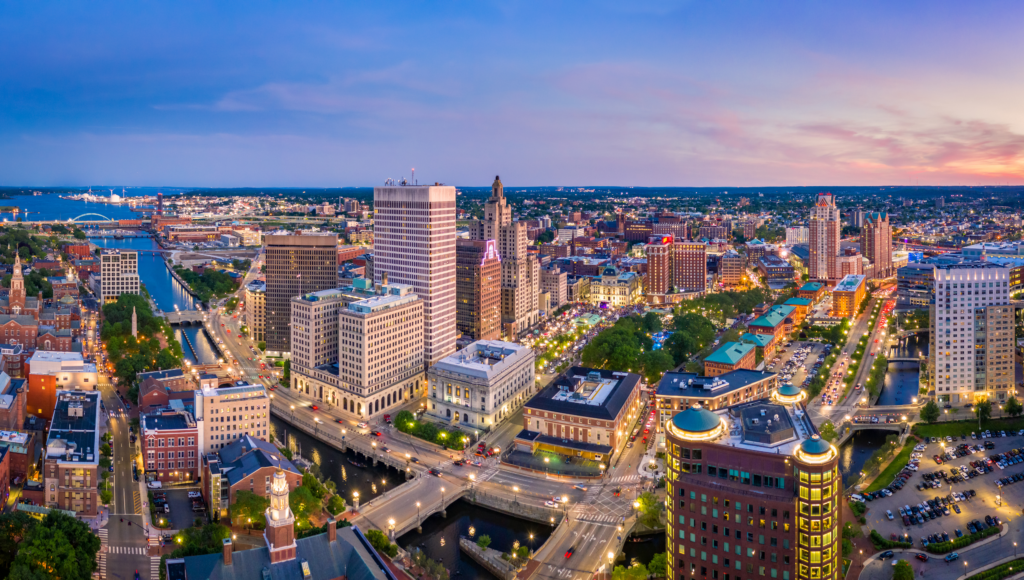
For non-homeowner households looking to buy a starter home, Rhode Island is the least cheapest state. The median non-homeowner household makes $51,000, far less than the $107,581 required to purchase a starter home, and only 16.5% of people can afford one. The average cost of a starter home in Rhode Island is $350,000.
According to Schulz, the statistics highlight how difficult homeownership has become for a large number of Americans.
“For so many, it feels completely out of reach,” Schulz said. “It’s a shame because homeownership can be a powerful wealth-building tool and a real stabilizing force for families. However, the numbers involved are so daunting that many people don’t see a realistic way to get into the market.”
Utah comes in second on the list. There, only 19.1% of households without a homeowner can afford a starting home. The median non-homeowner household makes $65,000, significantly less than the $112,351 required to purchase a starter home, which typically costs $400,000.
Hawaii completes the list of the three states with the lowest affordability. The percentage of non-homeowners who can afford a starter home is just 19.2%. In contrast to the $133,856 required to afford a starter home, which typically costs $500,000, the median non-homeowner household makes $70,200.
California has the biggest income gap in monetary terms, but Rhode Island is the least cheapest state overall. The median household that does not own a home makes $72,900, which is $67,776 less than the $140,676 required to purchase a starter home. Only 21.3% of homes without a homeowner can afford one. In California, a starter home typically costs $482,000. Additionally, California has the highest monthly income requirement—$11,723—to pay for homeownership expenses.
The average starter home’s monthly principal and interest payments come to $2,805, which adds up to a monthly housing payment of $3,517. Hawaii comes in second, with a monthly salary of $11,153 needed to buy a starter house. The District of Columbia comes in second with $10,710.

Top 10 States Where Homeowners Need the Highest Monthly Income to Afford a Starter Home:
| Rank | State | Starter-home value | Principal and interest | Total monthly payment | Monthly income needed |
|---|---|---|---|---|---|
| 1 | California | $482,000 | $2,805 | $3,517 | $11,723 |
| 2 | Hawaii | $500,000 | $2,910 | $3,346 | $11,153 |
| 3 | District of Columbia | $450,000 | $2,619 | $3,213 | $10,710 |
| 4 | Colorado | $400,000 | $2,328 | $3,040 | $10,133 |
| 5 | Massachusetts | $400,000 | $2,328 | $2,980 | $9,933 |
| 6 | Washington | $400,000 | $2,328 | $2,907 | $9,690 |
| 7 | Utah | $400,000 | $2,328 | $2,809 | $9,363 |
| 8 | Rhode Island | $350,000 | $2,037 | $2,690 | $8,967 |
| 9 | New Jersey | $325,000 | $1,891 | $2,675 | $8,917 |
| 10 | Oregon | $350,000 | $2,037 | $2,546 | $8,487 |
In general, this section of the rankings is dominated by coastal and more expensive markets. Hawaii, Colorado, Massachusetts, Oregon, Utah, Washington, and the District of Columbia have comparatively low percentages of non-homeowner households that can buy a starter home, as well as significant affordability gaps. Households without a home would have to almost quadruple their present salary in several of these markets in order to purchase one.
According to Schulz, some buyers who are prepared to make changes can nevertheless become homeowners in spite of these obstacles.
“If homeownership is a major priority, there are often ways you can make it happen, even in some of the nation’s most expensive housing markets,” Schulz said. “However, it may take planning and sacrifice. That may mean focusing on improving your credit, reducing debt, increasing savings, pursuing higher-paying jobs or considering smaller homes and different neighborhoods. You may have to consider different types of loans. You might even have to partner with a spouse, family member or co-buyer to make it work. It’s up to you to decide what you’re willing to do and how far you’re willing to go to make your homeownership dream come true.”
Southern Regions Offering More Attainable Path to Homeownership
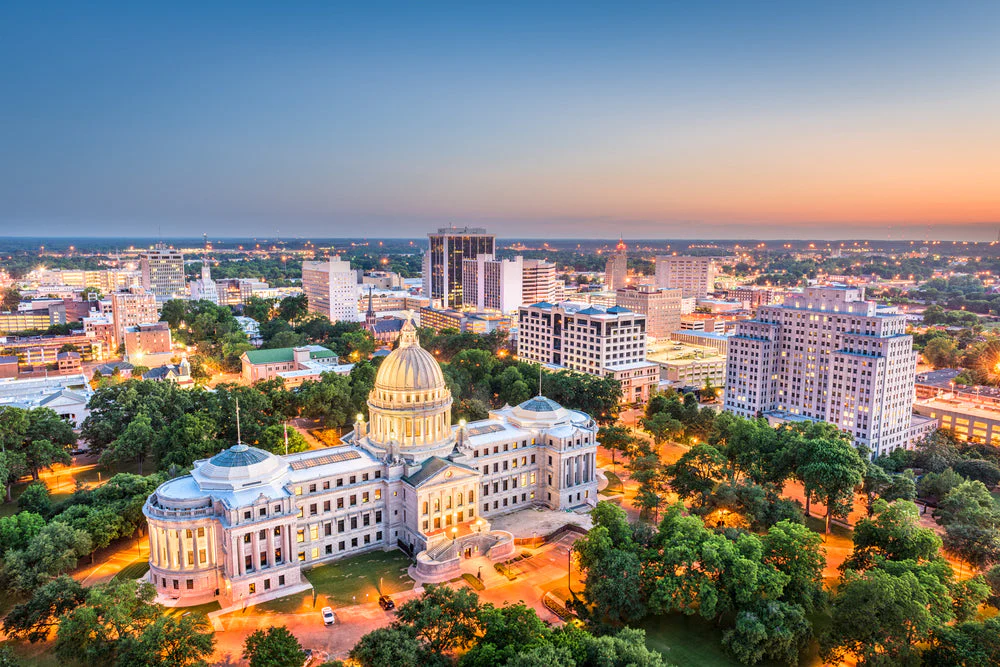
Lower-cost Southern states, on the other hand, provide the best affordability for households without a home. Mississippi has the highest percentage of people who can buy a starter house (61.8%), followed by West Virginia (58.0%), Arkansas (54.3%), and Alabama (54.1%).
Mississippi and West Virginia are the only states where the typical starter-home price is less than $100,000, with average prices of $85,000 and $90,000, respectively.
States Where Starter Homes are Most Attainable for Non-Homeowners:
| Rank | State | % able to afford a starter home | Starter-home value | Starter-home price-to-income ratio | Income needed | Median nonhomeowner income |
|---|---|---|---|---|---|---|
| 1 | Mississippi | 61.8% | $85,000 | 2.19 | $29,523 | $38,800 |
| 2 | West Virginia | 58.0% | $90,000 | 2.57 | $29,114 | $35,000 |
| 3 | Arkansas | 54.3% | $110,000 | 2.75 | $37,862 | $40,000 |
| 4 | Alabama | 54.1% | $120,000 | 2.82 | $39,239 | $42,500 |
| 5 | North Dakota | 52.7% | $150,000 | 2.95 | $48,785 | $50,800 |
| 6 | Kansas | 52.3% | $125,000 | 2.55 | $45,793 | $49,000 |
| 7 | Kentucky | 50.7% | $125,000 | 2.89 | $42,280 | $43,300 |
| 8 | Oklahoma | 49.9% | $120,000 | 2.69 | $44,969 | $44,600 |
| 9 | Louisiana | 48.9% | $124,000 | 3.26 | $39,114 | $38,000 |
| 10 | New York | 47.7% | $200,000 | 3.33 | $63,386 | $60,000 |
A starter home’s trade-offs define it for many buyers. A starting home is just more affordable than other homes in the neighborhood, according to more than one-third (36%). In the meanwhile, 30% say it provides less square footage than they would like in the long run, and 33% say it has fewer bedrooms or bathrooms than they would desire.
Other aspects that are frequently mentioned are:
- It requires compromises because of current home prices or interest rates (22%)
- It’s older or has outdated features (20%)
- It needs cosmetic updates but is livable (19%)
- It’s a practical first step toward homeownership, even if it isn’t their dream home (18%)
- It’s a condo, townhome or other lower-maintenance property (17%)
- It fits their current life stage, but they would likely move later (15%)
- It has limited outdoor space or no yard (13%)
- It has trade-offs they’d accept to become a homeowner (10%)
- It’s farther from work, schools or amenities than they would prefer (10%)
- It’s in a less central or less desirable location than their ideal home (9%)
In general, some 64% of consumers believe that buying a starter house in their community is reasonable for a first-time homebuyer. In conclusion, prospective buyers may need to take a longer-term approach to becoming ready for homeownership because starter houses are still out of reach for many households and affordability problems continue throughout much of the nation. Schulz suggests strategies such as improving credit scores, paying down high-interest debt, building larger savings, and focusing on long-term financial stability.