


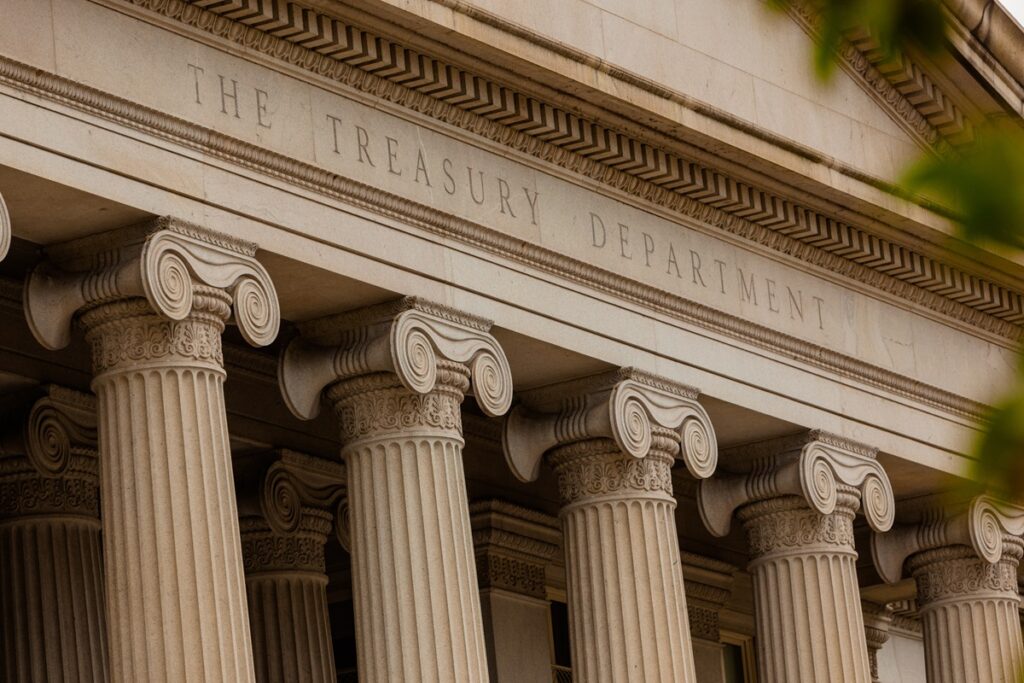
Lower energy prices helped drive down inflation in June and offered Fed policymakers and would-be homebuyers a reprieve after May’s dramatic surge, Realtor.com reported.
Beating the expectations of economists, overall prices increased by 3.5% in the 12 months through June, retreating from the previous month’s three-year-high of 4.2%, according to the U.S. Labor Department’s Consumer Price Index (CPI) data released Tuesday.
Realtor.com noted that total prices actually fell 0.4% in June compared to May, propelled by a sharp decline in energy prices, as a ceasefire between the U.S. and Iran sent global oil prices lower. However, hostilities have resumed in recent days, potentially reversing that trend.
First American Senior Economist Sam Williamson said the CPI numbers were a sigh of relief.
“Inflation came in noticeably cooler than expected last month, offering some much-needed relief after months of growing concern that price pressures were reaccelerating,” Williamson said.
He said that the report gives a reprieve.
‘Absence of New Setback’
“For home buyers, the key takeaway is less about relief on the horizon and more about the absence of a new setback. Because mortgage rates often take their cues from the inflation outlook, a hotter report could have pushed borrowing costs higher and stretched affordability even further,” Williamson noted, “Instead, today’s data suggest rates aren’t likely headed higher in the near term. That’s not the catalyst the housing market needs, but it’s one less headwind for a recovery still searching for momentum.”
Realtor.com noted that the energy index plunged 5.7% in June—the largest one-month in more than six years—after rising 3.9% in May. That more than offset increases in other indexes, including the index for food, which ticked up 0.2% over the month and 3% over the last year.
Gasoline of all types increased 26.7% in the 12 months ending in June, but fell 9.7% from May, the data reported.
Grocery prices edged up 0.2% month over month and 2.7% over the year, with the egg index seeing a 4.3% jump, the Labor Department reporte.
Core inflation, which strips out volatile food and energy costs, was flat month over month and cooled to an annual rate of 2.6%, down from 2.9% in May, the report said.
June saw housing costs ticked up by just 0.1% from May, representing the smallest monthly change reported for the shelter index since January 2021.
Realtor.com senior economist Jake Krimmel said the markets’ immediate reaction to the June CPI print suggests that the Federal Open Market Committee (FOMC) will hit the pause button on rates again this month.
The 10-year Treasury yield, which mortgage rates closely track, fell about 6 basis points on release, Realtor.com reported, and the CME FedWatch Tool, which had priced the odds of a July 29 rate hike at 47% Monday afternoon, saw those odds plummet to 17% minutes after the CPI release.
Sustained Series of ‘Cooler Readings’
“Still, one soft reading does not settle the inflation question, especially with the Fed’s preferred inflation gauge (PCE) still running hot,” Krimmel warned. “Two data points from May to June don’t constitute a trend for the FOMC.”
Federal Reserve Governor Christopher Waller said on Monday that policymakers would need to see a sustained series of cooler readings, especially in core, before concluding elevated inflation is truly behind us.
For consumers and homebuyers, Krimmel said that falling inflation is good news because it removes one source of upward pressure on mortgage rates, which increased 6 basis points to 6.49% last week and have hovered around 6.5% for nearly two months.
“Today’s data, combined with the drop in Treasury yields, may point toward some relief rather than the renewed instability the market had been bracing for,” Krimmel said. “That matters heading into the traditionally slower but still-active late-summer buying season.”
However, Krimmel reminded that Tuesday’s CPI readout is a single snapshot, and economic conditions tend to shift quickly.
“With the Middle East ceasefire fragile and energy prices historically volatile, the durability of today’s relief will depend on whether core inflation keeps cooling in the months ahead, not just this one,” he said.