


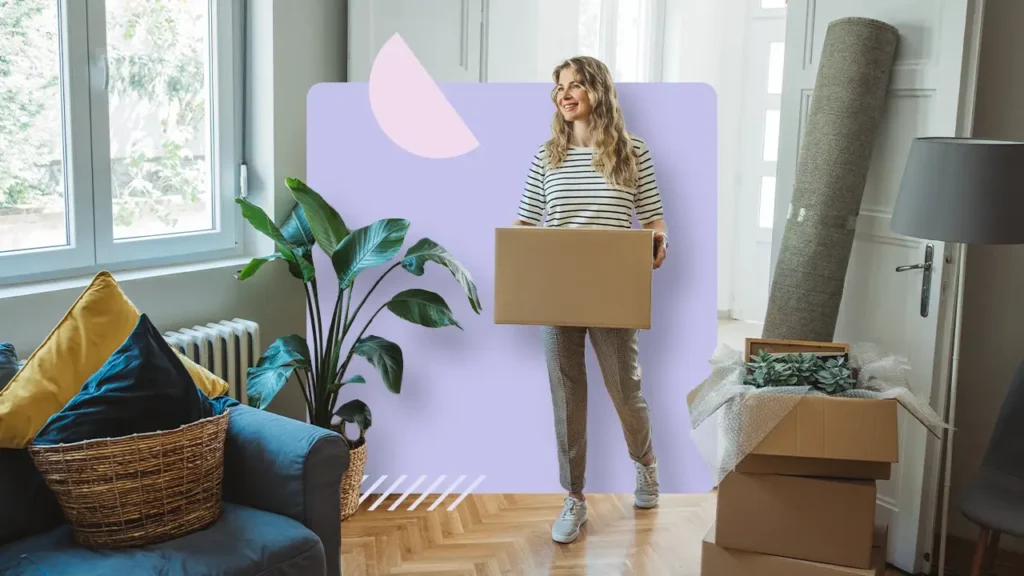
The number of single female homeowners in the U.S. reached an all-time high last year, reaching 20 million, during Women’s History Month and in spite of affordability issues.
According to a recent survey from First American Financial Corp., a supplier of title insurance and settlement services, America’s single female homeowners reached this historic milestone despite a minor decline in their overall homeownership percentage, which dropped from around 52% to 51%.
Although this may appear paradoxical, Odeta Kushi, Deputy Chief Economist at First American, clarifies that the declining homeownership rate does not indicate a decline in demand; rather, the number of unmarried women starting homes on their own has simply exceeded the rate of home purchases.
“In other words, the rate softened not because fewer women owned homes, but because more women formed independent households,” Kushi said.
Danielle Hale, Chief Economist at Realtor.com, also notes that the typical stereotype of the young, single lady going it alone is challenged by the profile of the single female homeowner. In actuality, this group is much more varied, representing a broad spectrum of ages, life stages, and socioeconomic situations.
“A big portion of the increase in single-female homebuyers is older women who are likely separated, divorced, or widowed,” Hale said. “Single-female buyers are far more likely to have family, such as kids or older dependents, living with them.”
Single Ladies Dominate Nationwide Housing
Realtor.com interviewed Eva Angelina Romero, a real estate agent at Century 21 in Nashville, TN, and revealed that she has witnessed an increase in the number of single female homebuyers in the local market in recent years, even within her own social circle.
“My daughter and one of our team members purchased homes as single women because they recognized the opportunity to build equity instead of renting,” Romero said.
The agent claims that convenience, safety, and neighborhood feel are important factors for single female purchasers. They frequently consider a property’s long-term worth and suitability for their lifestyle.
“I often see them researching neighborhoods carefully and prioritizing walkability, community, and homes that feel secure,” Romero said.
When it comes to desired inventory, condos, townhomes, or smaller, easier-to-maintain single-family houses are popular choices among single female purchasers. Modern kitchens, lots of storage space, and move-in-ready homes are top needs, according to Romero.
Women’s desire of higher education is driving the record-breaking increase in female homeownership. Women’s earning potential increases when more of them graduate from college, bringing them closer to the closing table. According to the survey, the percentage of unmarried women with a bachelor’s degree or above increased from 20% in 2000 to 35% last year, increasing the pool of buyers who are financially prepared. Simultaneously, unmarried women’s real median family income rose from $42,000 to $51,000, increasing their purchasing power.
“While affordability remains strained relative to historical norms, these structural gains in education and income provide a durable foundation for homeownership,” Kushi said.
It is impossible to overstate the importance of single women in the property market. The National Association of Realtors’ 2025 Profile of Home Buyers and Sellers study, which was published in the fall, indicates that 21% of all buyers were single women, more than twice as many as single men.
“That’s especially impressive considering single women homeowners earn about 84 cents for every dollar earned by single men, yet many continue to prioritize homeownership as a path to financial stability,” Nadia Evangelou, Principal Economist at NAR, tells Realtor.com.
In their drive to become homeowners and start accumulating equity—the cornerstone of wealth accumulation in the United States—many women report making significant financial sacrifices, such as cutting back on unnecessary spending, postponing vacations, or taking on second jobs merely to save for a down payment.
“A lot of women are realizing that buying a home is one of the best ways to start investing in their future,” Romero said. “In markets like Nashville, some are also motivated by recognizing areas with growth potential and wanting to get in early before prices rise further.”
To read more, click here.