


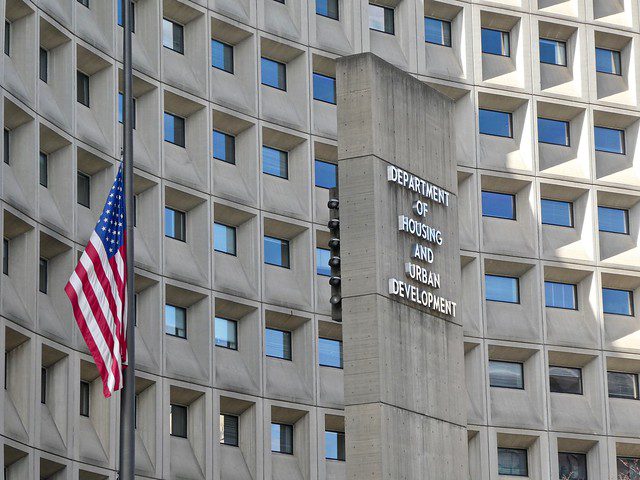
The U.S. Department of Housing and Urban Development on Tuesday announced 14 policy changes to its Federal Housing Administration (FHA) Single Family mortgage insurance program that it said lower costs, reduce regulatory burdens, and improve affordability for people seeking FHA-insured mortgages.
The changes eliminate outdated requirements, reduce administrative burdens, and make FHA financing more efficient for homebuyers and lenders, the agency said in a release. Since the beginning of the Trump Administration, FHA said it has taken more than 150 actions to streamline its Single Family program.
“Every unnecessary regulation comes with a cost, and too often homebuyers pay the price,” said Secretary Scott Turner. “If a policy does not protect taxpayers, improve affordability, or expand opportunity for Americans, we should rethink it. As we recognize National Homeownership Month, these FHA actions reflect that commitment by eliminating barriers to expand homeownership opportunities.”
Policies Affect Origination, Servicing, Quality Control
The updates span FHA policies from mortgage origination through servicing and quality control, including:
•Streamlining Appraisal Field Review Requirements, reducing costly QC requirements that average $425 per field review. This change is expected to save industry partners approximately $3.3 million annually while improving alignment with other programs.
•Expanding Flexibility under the Limited 203(k) Rehabilitation Mortgage Insurance Program, by increasing the number of contractor draw requests, making it easier to complete home rehabilitation projects.
•Modernizing FHA Mortgagee Approval and Quality Control, including permanently exempting early payment defaults resulting from natural disasters from the required quality control review sample. This will reduce mortgage costs, increase access for borrowers, and help smaller lenders participate in the FHA program.
•Eliminating the Duplicative Requirement for Lenders to Use the Important Notice to Homebuyers Form 92900-B, simplifying the closing process.
•Clarifying Loss Mitigation Requirements Governing Trial Payment Plans, to protect the FHA Mutual Mortgage Insurance Fund, establishing safeguards to prevent abuse, and ensure that proactive borrowers are not penalized.
Previous Actions
In May, HUD announced a series of regulatory actions for state and local governments to increase efficiency and ease regulatory barriers to housing construction and affordability.
The actions are included in the State and Local Best Practices for Home Construction Report, issued by HUD.
“HUD is encouraging our state and local partners to take inventory of their regulations and policies and make changes that will lower the cost to build and enable more efficient housing supply growth. These Best Practices are an initial list of recommendations to facilitate growth while respecting communities’ unique needs. Adding efficiency to local building processes will result in more affordable homeownership opportunities for all Americans,” Turner said at the time.