



According to ATTOM’s annual property tax research, over 89.6 million single-family residences paid $396.8 billion in property taxes in 2025, a 3.7% increase over 2024. With an estimated value of $494,231, the average single-family home paid $4,427 in taxes, up 3% over the previous year.
In 2025, the national effective tax rate for single-family residences was 0.9%, the highest since 2020, when it was an estimated 1.1%. This was an increase from 0.86% in 2024.
Between 2024 and 2025, the average projected home value decreased in tandem with the increase in the effective tax rate. The national average projected value for a single-family home in 2025 was $494,231, which was 1.7% less than the previous year. However, 2024 had seen a notable gain over the previous years, thus 2025’s average estimated value was still among the highest ever.
Note: ATTOM analyzed property tax data collected from county tax assessor offices nationwide at the state, metro and county levels along with estimated market values of single-family homes calculated using an automated valuation model (AVM). The effective tax rate shows the average annual property tax expressed as a percentage of the average estimated market value of homes in each geographic area.
Nationwide Tax Rate Increase Overview
Between 2024 and 2025, the average projected home value decreased in tandem with the increase in the effective tax rate. The national average projected value for a single-family home in 2025 was $494,231, which was 1.7% less than the previous year. However, 2024 had seen a notable gain over the previous years, thus 2025’s average estimated value was still among the highest recorded.
“Property taxes in 2025 demonstrate that tax bills reflect more than just home values,” said Rob Barber, CEO at ATTOM. “Even with a slight dip in prices, higher tax bills combined with declining home values led to an increase in effective tax rates, underscoring the role of local government costs and shifting tax policies. Regional disparities persist, with the Northeast and Midwest continuing to see the highest burdens.”
The highest effective tax rates were concentrated in the Northeast and Midwest, led by:
- Illinois (1.84%)
- New Jersey (1.58%)
- Vermont (1.4%)
- Connecticut (1.36%)
- Ohio (1.32%)
Rounding out the top 10 states with the highest effective tax rates in 2025 were:
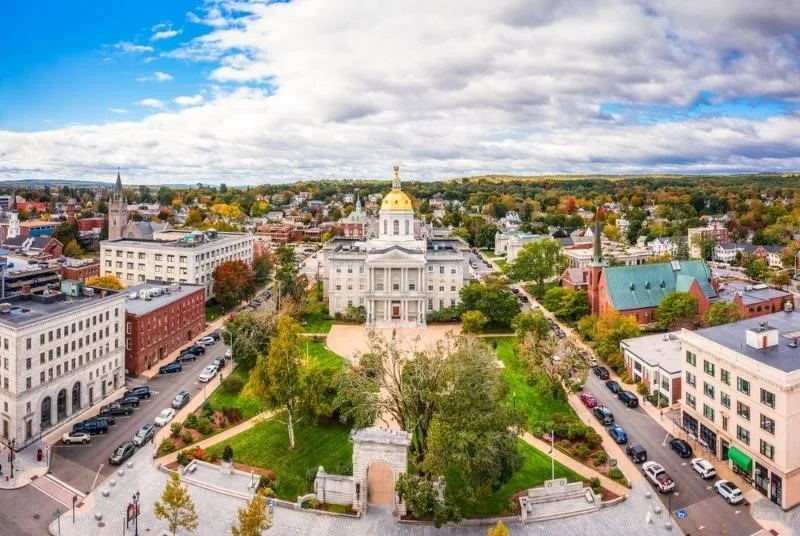
- New Hampshire (1.29%)
- Iowa (1.25%)
- Pennsylvania (1.24%)
- Nebraska (1.24%)
- New York (1.23%)
The states with the lowest effective tax rates in 2025 were:
- Hawaii (0.33%)
- Idaho (0.39%)
- Wyoming (0.4%)
- Arizona (0.43%)
- Alabama (0.43%)
Rounding out the top 10 states with the lowest rates in 2025 were:
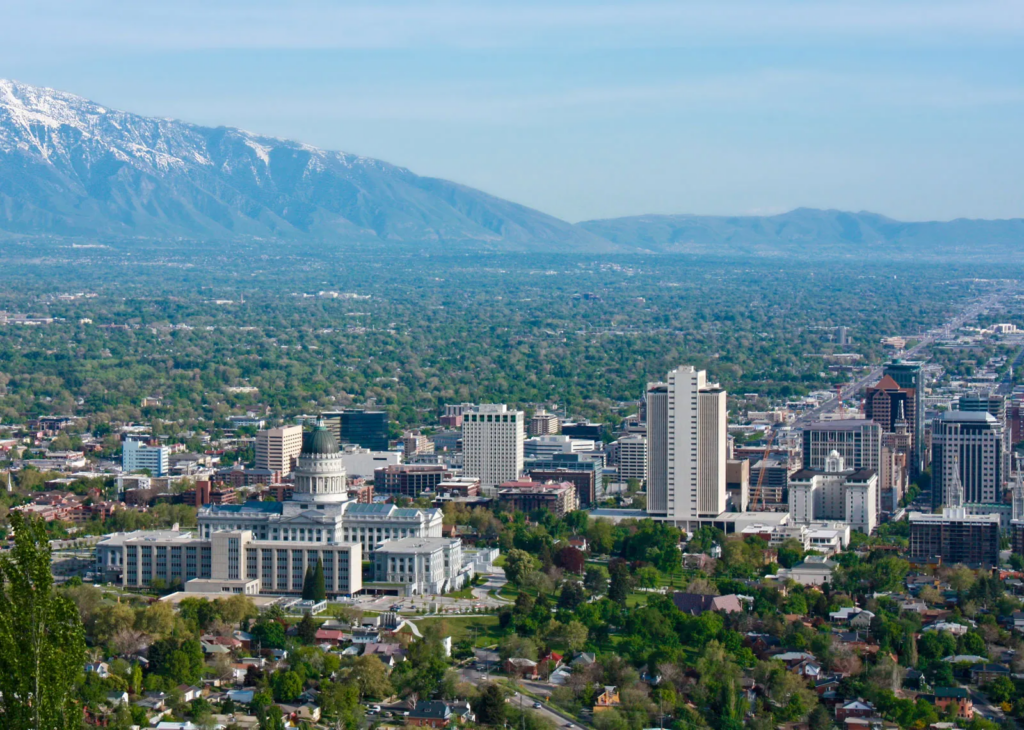
- Utah (0.45%)
- Delaware (0.48%)
- West Virginia (0.48%)
- Tennessee (0.5%)
- Nevada (0.52%)
New Jersey ($10,499), Connecticut ($8,901), New Hampshire ($8,174), Massachusetts ($7,904), and New York ($7,732) had the highest average tax bills in the US due to the region’s high tax rates and home values. West Virginia had the lowest average property tax for single-family houses, at $1,081, while New Jersey’s average tax payment was over ten times higher. Following West Virginia, Alabama ($1,284), Arkansas ($1,387), Mississippi ($1,563), and Louisiana ($1,639) had the lowest average bills.
Nearly all of the 25 metropolitan statistical regions with the highest effective rates in ATTOM’s analysis were in the Northeast or Midwest, with Binghamton, NY (2.27%), Champaign, IL (1.95%), Trenton, NJ (1.89%), Peoria, IL (1.88%), and Rockford, IL (1.86%) leading the way. If a metro area has more than 200,000 residents and enough data to be analyzed, it was included in the analysis.
Knoxville, TN (0.29%), Salisbury, MD (0.29%), Honolulu (0.33%), Johnson City, TN (0.34%), and Lake Havasu City, AZ (0.34%) were the metro areas with the lowest effective tax rates.
In conclusion, over 89.6 million single-family houses paid $396.8 billion in property taxes in 2025, up 3.7% from 2024, according to ATTOM’s 2025 Property Tax Analysis. The average single-family home had a property tax bill of $4,427 and was worth about $494,231, which was 3% more than the previous year. There are still significant regional differences, with homeowners in the Northeast and Midwest paying the highest prices while Western areas continue to provide some respite.